
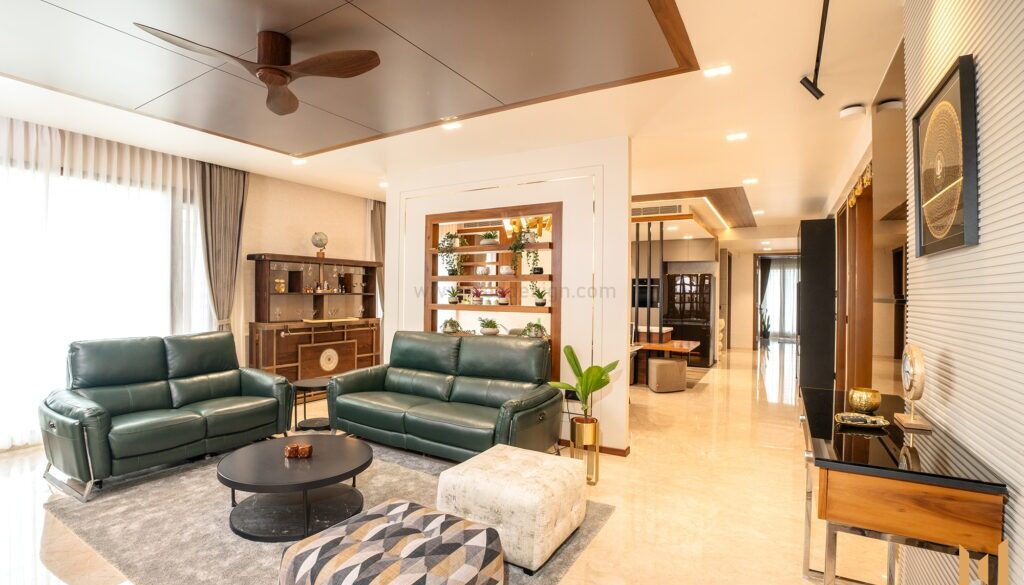
Futuristic Home Interior Design in 2026: A Practical Look at What’s Changing
By 2026, homes are being planned less as fixed layouts and more as systems that support everyday behaviour. Interior design is responding to how people actually live, working from home, hosting less formally, seeking quiet, and valuing long-term comfort over visual drama.
Futuristic interior design is no longer about obvious technology or dramatic statements. The real shift is happening quietly, through better planning, smarter materials, and spaces that adjust without demanding attention.
Below is a realistic look at the interior design directions shaping high-end homes in 2026.
1. Technology Planned into the Structure
In newer luxury homes, smart systems are decided at the architectural stage, not added later. This allows lighting, climate control, sound, and privacy solutions to disappear into ceilings, walls, and joinery.
Instead of visible panels or screens, homes rely on automation that works in the background. Glass changes opacity when needed, rooms adjust temperature automatically, and sound systems are built into surfaces. In cities such as Bangalore, this level of integration is becoming common in premium residential projects.
2. Minimalism with Physical Comfort
Minimal interiors have softened noticeably. The sharp lines and stark finishes of earlier minimalist homes are giving way to spaces that feel easier to live in.
Rounded furniture, curved walls, and softened corners are now preferred. Surfaces are matte rather than glossy, and materials are chosen for how they feel as much as how they look. Wood grains, textured stone, and layered fabrics replace visual emptiness. The result is a calm interior that still feels lived-in.
3. Sustainability as a Design Expectation
Sustainable design is no longer treated as an optional upgrade. In 2026, it is built into the definition of a well-designed home.
Interiors increasingly use recycled or engineered materials that last longer and age well. Paints and finishes are selected for low emissions, and layouts are planned to reduce energy use rather than rely on systems to compensate later. For many homeowners, this approach reflects practicality and long-term thinking rather than environmental branding.
4. Rooms That Serve More Than One Purpose
As daily routines continue to overlap, interior layouts are becoming more adaptable.
Living rooms are planned to accommodate work without looking like offices. Sliding walls and movable panels allow spaces to expand or contract when needed. Bedrooms often include discreet work or storage zones, and dining areas are designed for more than formal meals. This approach is especially relevant in urban homes where every square metre matters.
5. Interiors That Adjust to Habit, Not Commands
Artificial intelligence in homes is becoming less interactive and more observational.
Instead of constant voice commands, systems learn patterns over time. Lighting adjusts based on daily schedules, temperatures stabilise around personal preferences, and appliances operate more efficiently based on usage.
6. Nature Integrated Without Decoration
Biophilic design in 2026 is less about decorative plants and more about spatial planning.
Natural light, ventilation, and material choice are treated as core design elements. Indoor greenery is integrated into architecture rather than added later. Stone, wood, and water features are used sparingly but purposefully, creating interiors that feel grounded even when technology is present.
7. Lighting That Shapes Space
Lighting is no longer treated as a finishing layer. It is used to define form and proportion.
Indirect lighting highlights ceilings, walls, and built-in furniture. Systems adjust brightness and colour temperature throughout the day to reduce strain and improve comfort. Light fixtures themselves are simpler, often disappearing entirely in favour of concealed sources that shape the room quietly
8. Kitchens and Bathrooms as Technical Spaces
Kitchens and bathrooms continue to absorb the most innovation.
Kitchen surfaces now integrate cooking systems directly into counters, reducing visual clutter. Storage is planned around workflow rather than volume. Bathrooms focus on hygiene and ease of maintenance, with digitally controlled water systems, smart mirrors, and materials that resist wear and bacteria.
These spaces prioritise function first, with aesthetics following naturally.
9. Walls That Can Change Over Time
Interior surfaces are becoming more flexible.
Digital art displays, projection-ready walls, and acoustic panels allow spaces to change without renovation. This approach suits homeowners who prefer interiors that can evolve gradually rather than remain visually fixed for years.
10. Colour Choices for Longevity
Colour trends in 2026 favour restraint.
Walls and large surfaces use warm greys, soft beige, muted greens, and natural earth tones. Darker shades, such as deep blue or charcoal are used selectively for depth. Metallic finishes appear in small doses, usually brushed or matte. These palettes work well with adaptive lighting and do not date quickly.
Why This Direction Matters
The future of interior design is not about novelty. It is about relevance.
Homes designed for 2026 prioritise ease, durability, and quiet efficiency. They respond to daily life without drawing attention to themselves. When done well, futuristic interiors do not feel experimental, they feel settled, thoughtful, and surprisingly familiar.
FAQs
What makes an interior “futuristic” today?
It is defined by planning, adaptability, and intelligent systems that reduce effort rather than add complexity.
Are these interiors suitable for Indian homes?
Yes. They can be adapted to climate, lifestyle patterns, and cultural preferences without losing their core principles.
Do futuristic homes rely heavily on technology?
Technology is present, but it is usually concealed and secondary to layout and material decisions.
Can these interiors feel warm?
Yes. When materials, lighting, and proportions are handled carefully, these homes feel comfortable and grounded.