Modern Sofa Design: 10 Things to Check Before You Buy
A modern sofa design does more than fill a corner. It defines the mood of the room, sets the tone for the space, and often becomes the most-used piece in the home.
Choosing the right one is not just about looks. It is about structure, proportions, and how the sofa fits into daily life. If the goal is a piece that looks good and lasts, start before you buy a sofa. That is where smart decisions begin.
Before You Buy a Sofa: Start with a Clear Space Plan
Even the perfect sofa can feel wrong if the room is not ready for it. Good space planning avoids awkward layouts and wasted budget.
- Start by measuring the room, doorways, hallways, and stair access. Then look at the room layout and traffic flow. A sofa should support movement, not block it.
- For comfortable movement, leave about 30 to 36 inches of walking space where possible. This improves furniture placement and keeps the room feeling open instead of crowded.
Living Room Planning & Scale Assessment
Every living room has its own rhythm. Some spaces need a low-profile sofa to keep the room light. Others can handle a larger shape with more visual weight.
Think about family size, daily habits, and how the room is used. That is the heart of good living room furniture planning. A compact apartment and a large open-plan home need very different solutions.
If the sofa feels oversized, the whole room can look tight. If it feels too small, the room can feel unfinished. Scale matters just as much as style.
Sofa Buying Guide: Construction Comes First
A stylish sofa is great. A well-built sofa is better. A proper sofa buying guide should always start with construction and comfort.
- Look for a kiln-dried solid wood frame when possible. It tends to be more stable and durable over time. Engineered wood can work in some cases, but long-term strength usually depends on how the frame is built.
- Cushion support also matters. High-density foam gives better structure and helps the sofa hold its shape longer. For many homes, that balance of firmness and comfort is ideal.
- Ergonomics should not be ignored either. Seat depth, back height, and cushion fill all affect how the sofa feels after a long day. A beautiful sofa that is uncomfortable will not stay loved for long.
Best applications:
- Living rooms
- Entryways
- Hallways
- Feature walls
- Compact apartments
How to Choose a Sofa That Fits Your Room
Learning how to choose a sofa starts with proportions. The right sofa should fit the room, the doorways, and the way the room is actually lived in.
Take the sofa size guide seriously. Measure the wall where it will sit, but also measure the space around it. That includes coffee tables, side tables, and pathways.
For apartments and compact homes, a streamlined shape often works best. In larger rooms, a sectional or modular layout may create better balance. The point is simple: the sofa should belong in the room, not fight it.
Choose the Right Modern Sofa Design for Your Living Room
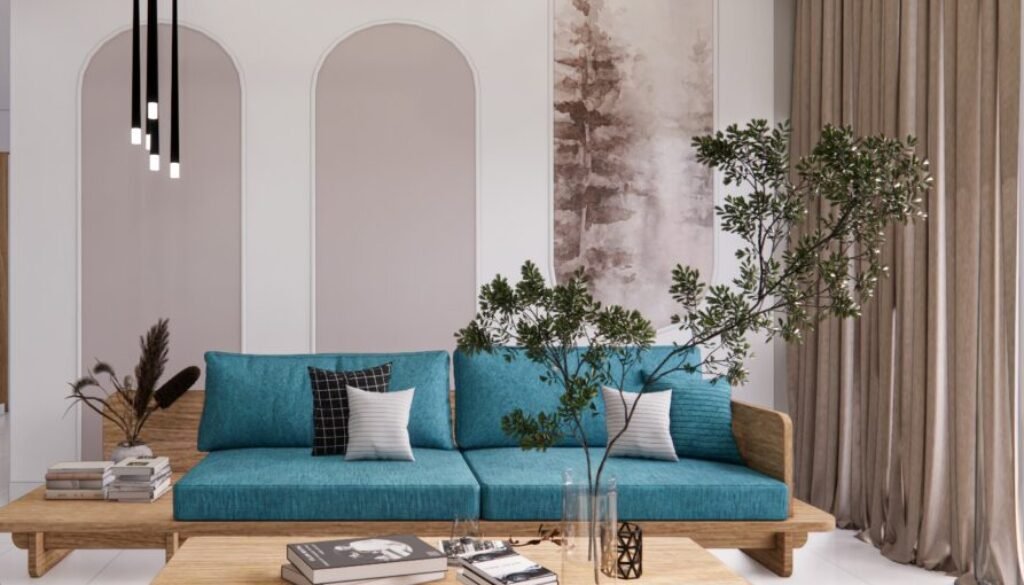
A modern sofa for living room spaces should balance comfort, proportions, and functionality. There are many modern sofa designs, and each one creates a different mood. The best choice depends on the room shape and the overall style of the home.
- A modular sofa is flexible and easy to adapt.
- A sectional sofa works well in open spaces and family rooms.
- An L-shaped sofa is excellent for corners and can define zones in an open-plan layout.
- A Chesterfield sofa brings a more formal presence
- A Tuxedo sofa feels tailored and clean-lined.
- A Lawson sofa is relaxed and timeless.
- A Camelback sofa adds a softer classic curve.
For a softer modern look, curved silhouettes can ease sharp room angles. A recliner can also work in a modern setting when comfort is the priority. The key is matching the silhouette to the room, not chasing trends alone.
If the goal is a refined but fresh look, a luxury sofa or contemporary sofa style usually offers a strong balance of elegance and ease.
Pick the Best Sofa Material for Comfort and Durability
Upholstery changes everything. The right sofa upholstery affects comfort, maintenance, and how the sofa ages over time.
A fabric sofa often feels softer and more relaxed. A leather sofa brings a polished finish and is easier to wipe clean. Both can work beautifully, depending on the household.
Performance matters too. Performance fabric is a smart option for busy homes, especially where kids or pets are part of daily life. It is usually more forgiving with spills and regular use.
Then there is texture. Bouclé fabric adds a cosy, tactile feel. Velvet upholstery looks rich and layered, but it usually needs more care. Leather upholstery feels durable and structured, but it can show wear in different ways.
For durability, it helps to ask about rub counts, stain resistance, and cleaning needs. The best upholstery is not just pretty. It fits the real life around it. When comparing upholstery, checking the Martindale Rub Test can provide useful insight into durability.
As a general guide:
|
Fabric Durability |
Martindale Rating |
|
Decorative use |
Up to 15,000 rubs |
|
Residential use |
20,000–25,000 rubs |
|
Heavy residential use |
25,000–40,000+ rubs |
A higher rating generally means the fabric can withstand more daily use.
Match the Sofa to Your Interior Style
A sofa should feel like part of the whole room. That is where interior styling becomes important.
- A Japandi room often suits low, calm shapes with natural texture.
- Scandinavian Design usually leans into light tones, clean lines, and practical comfort.
- Contemporary Design can handle sharper profiles and a more polished finish.
In Modern Interior Design, the sofa often acts as a quiet hero. It supports the room without making it feel heavy. That is especially useful in homes focused on open space and visual simplicity.
For a more grounded look, think about how the sofa interacts with the rest of the living room interiors and the broader modern home design direction. The goal is harmony, not mismatch.
Choose the Right Sofa Colour for a Timeless Living Room
Colour has a big effect on how heavy or light a sofa feels. It also changes how the room reads overall.
A soft neutral palette usually works well in neutral interiors. Beige, taupe, cream, and warm grey are easy to live with and flexible across seasons. They also keep the room feeling bright.
If the room already has strong walls, artwork, or rugs, a quieter sofa can balance the space. On the other hand, a darker or more saturated sofa can become a statement piece. It all depends on the colour palette and the mood you want.
Always consider light, too. Natural light can change the way a fabric appears during the day. That is why sofa colour ideas should be tested in the actual room whenever possible.
How to Buy a Sofa Without Making Expensive Mistakes
Knowing how to buy a sofa is mostly about avoiding common mistakes. The biggest one is choosing based on looks alone.
- Always test comfort if possible. Sit, lean, and check the seat depth. Make sure the cushion’s resiliency feels right for daily use. A sofa should support long conversations, lazy evenings, and regular family life.
- Also check delivery access carefully. A sofa that fits the room but not the doorway creates a very expensive problem. This is where many sofa buying mistakes happen.
- Do not skip the warranty details either. A good sofa warranty does not just protect the purchase. It also signals confidence in the build quality.
Sofa Buying Tips from Interior Designers
Professional sofa buying tips often sound simple, but they are powerful. Start with function, then move to shape, then fabric, then colour.
Always think about traffic flow. The sofa should guide movement naturally through the room. It should also support the activity in the space, whether that is watching TV, hosting guests, or relaxing with family.
Interior designers also pay close attention to lighting. A sofa near a strong window may need a more durable fabric. A darker room may benefit from a lighter upholstery choice to keep the space open.
Good design is rarely about one perfect piece. It is about how every choice works together.
Final Checklist Before Buying Your Modern Sofa Design
Use this final check before making the purchase:
- Measure the room and all access points.
- Confirm clearance around the sofa.
- Check frame construction and look for a solid wood frame.
- Review cushion fill and aim for high-density foam where appropriate.
- Compare performance fabric, leather upholstery, bouclé fabric, and velvet upholstery.
- Match the silhouette to the room: sectional sofa, modular sofa, L-shaped sofa, Chesterfield sofa, Tuxedo sofa, Lawson sofa, or Camelback sofa.
- Make sure the style fits the home: Japandi, Scandinavian Design, Contemporary Design, or Modern Interior Design.
- Read warranty, care, and delivery terms carefully.
A well-chosen sofa should do more than look good on day one. It should feel right in the room, support daily life, and stay relevant as the home evolves.
Planning your living room layout? Don’t guess the dimensions or the materials. A thoughtful modern sofa design starts with the right plan, the right proportions, and the right finish for the way the space really works.
If you want a tailored approach, a professional consultation can help choose the right silhouette, fabric, and colour for your specific home.