Summer Window Treatments for Indian Homes: Block Heat, Not Light
Imagine this. During summer, when the sun hits your windows at peak hours, the first thing you do is pull the curtains shut. Now the room is dark and still hot. You blocked the light but the heat stayed. How uncomfortable is that?
If you live on a higher floor, it is even tougher. The sun feels stronger and the heat builds up quickly. Without shade from trees or nearby buildings, your room can feel like it has been baking all afternoon.
The good news is there is a smarter way to handle this. You do not have to choose between light and comfort. The right window treatments block heat before it enters the room while keeping your space bright and breathable. This guide tells you exactly what works, which windows to treat first, and what it costs.
Why Your Window Direction Decides Everything
Not all windows heat a room equally. Treating every window the same way is how people end up spending money on treatments that barely make a difference.
Before choosing any treatment, you need to know which windows are the real problem.
- West-facing windows are the main issue. They take direct afternoon sun when temperatures are already at their peak.
- South-facing windows get steady exposure through the day, especially during peak summer months.
- East-facing windows heat up in the morning but settle down by late morning.
- North-facing windows get soft, indirect light and rarely need heavy treatment.
Start with your west-facing windows. That is where the most discomfort comes from, and that is where the right treatment makes the biggest difference.
Why Layered Window Treatments Work Best
Most homes use a single curtain on each window. In Indian summer conditions, this forces a daily choice: block heat or keep light. You cannot do both with one layer.
Two layers change this completely.
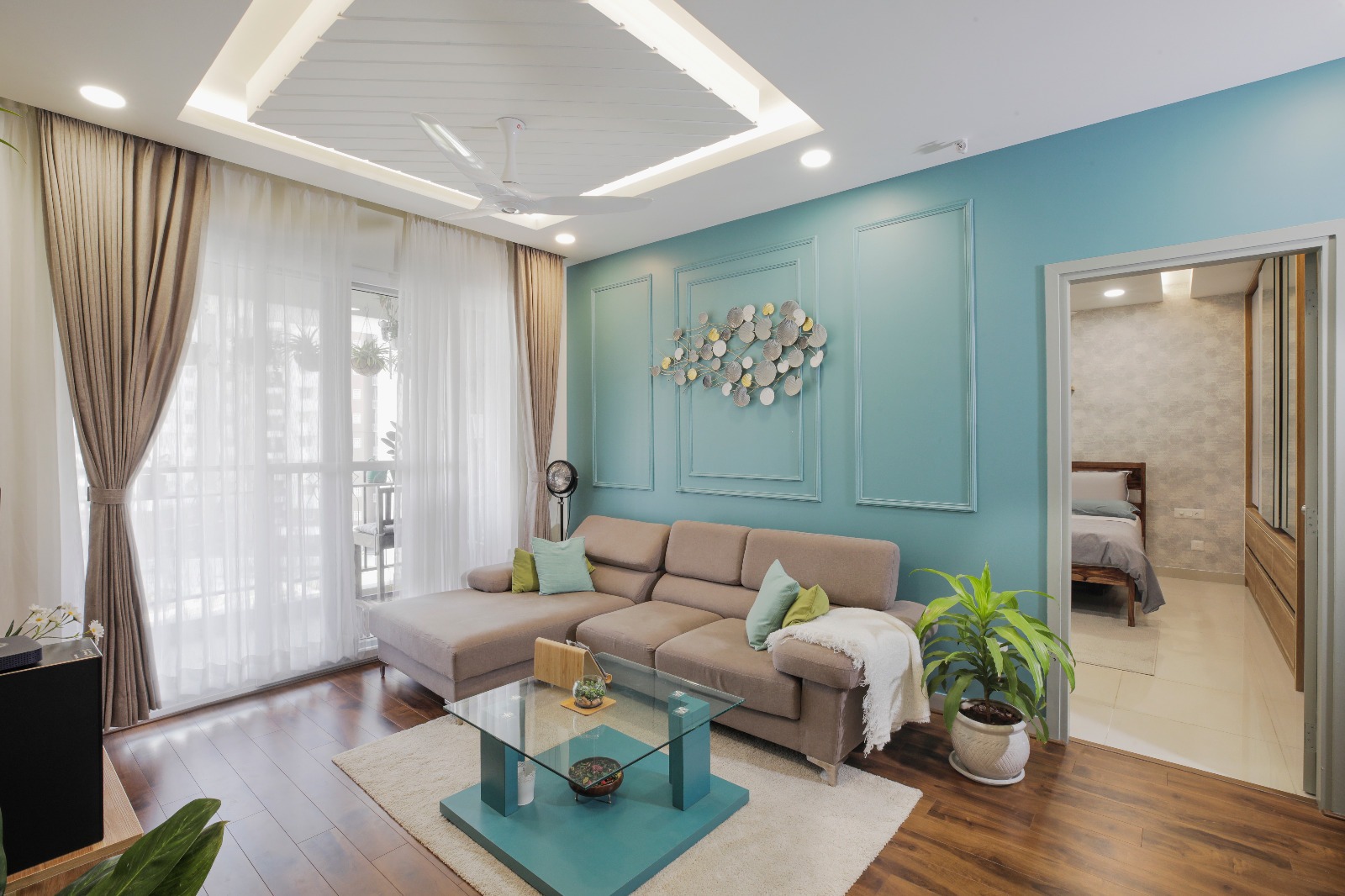
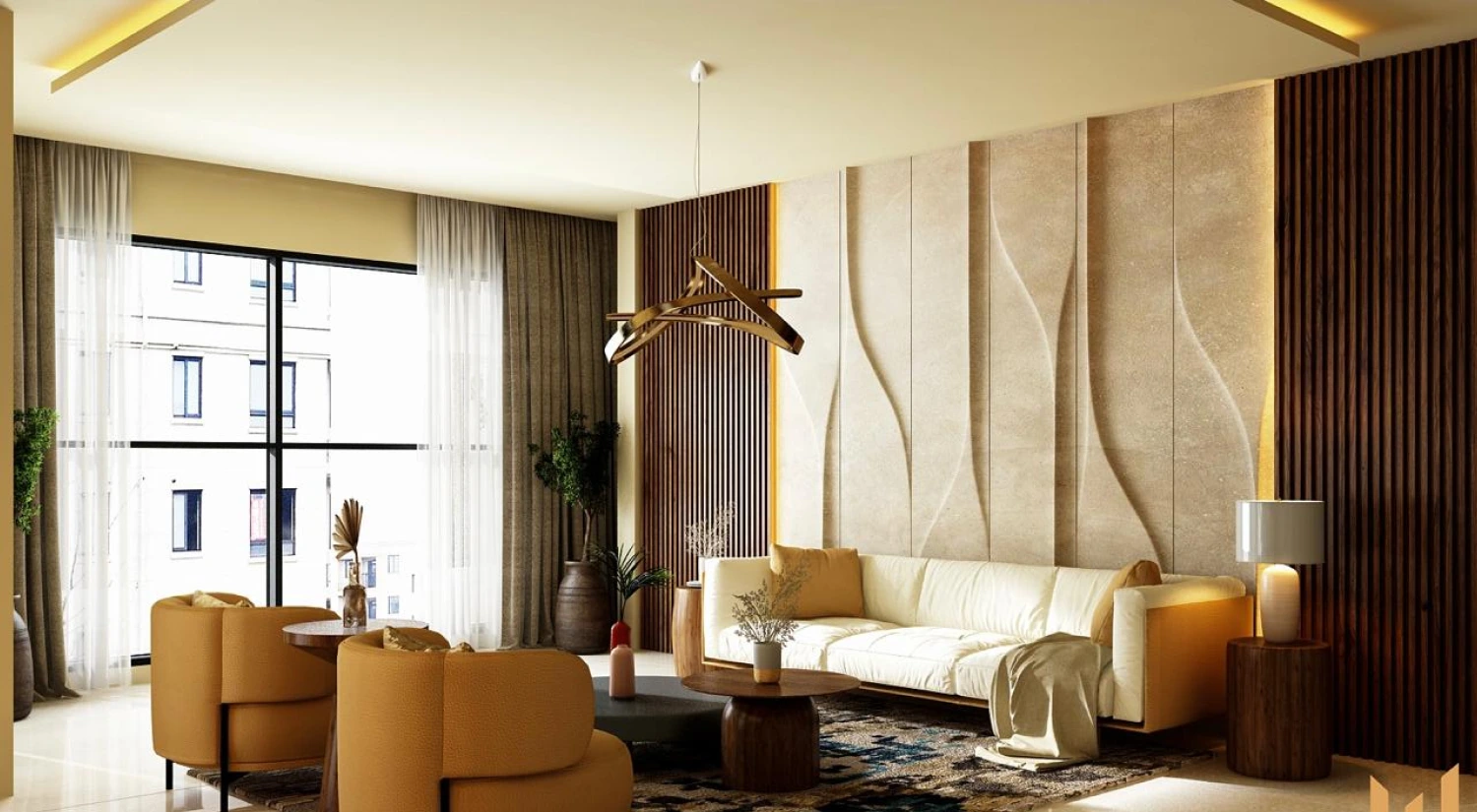
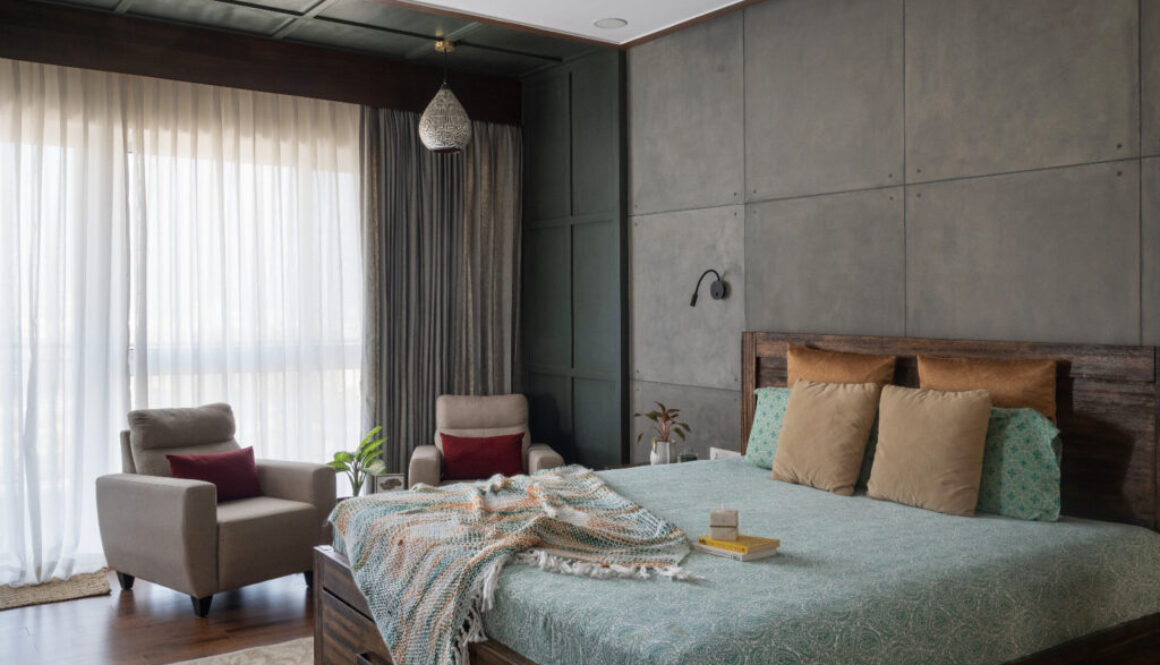
The inner sheer softens the harsh sunlight and lets air move through. The outer layer, whether a blind, bamboo chick, or a heavier drape, goes across during the hottest hours and opens again in the evening. The gap between the two layers traps heat before it enters the room. One curtain alone cannot do that.
The cost is lower than most people expect. A cotton sheer plus a bamboo roller chick for a standard window costs under Rs. 2,000 and outperforms either one on its own.
9 Window Treatments That Work in Indian Summers

1. Sheer Curtains
A sheer curtain softens direct sunlight without making the room dark. Use cotton or linen, not polyester. Polyester net curtains trap heat in the fabric and feel stiff and warm. Cotton and linen breathe, drape naturally, and let air move through.
White and cream sheers reflect more sunlight than darker colours. Think of a sheer as a light manager, not a heat blocker. Its job is to be the inner layer. Pair it with a blind or chick on the outside for real heat control.
Cost: Rs. 400 to Rs. 1,200
2. Bamboo Chick Blind
Made from strips of bamboo or rattan, a chick blind filters harsh sunlight into soft, broken light without shutting out the breeze. Unlike metal or synthetic blinds, bamboo does not conduct heat, so the blind itself does not become a heat source.
It works well on living room windows and balconies. Roll it up in the evening when the sun drops. For bedrooms, add an inner cotton curtain since chick blinds offer no privacy at night when your lights are on inside.
Cost: Rs. 300 to Rs. 1,500
3. Blackout Blind
A blackout blind is the right choice for bedrooms, especially those facing east. A blackout blind drops the room to near-darkness and also blocks a good amount of solar heat through the glass.
Mount it above the window frame and extend it at least 10 to 15 cm beyond the edges on all sides. Most blackout blinds fail because of the gaps left at the top and sides. Close those gaps, and it works exactly as it should.
Pairing it with a lighter curtain gives flexibility during the day. Choose a white or cream outer fabric to reflect heat rather than absorb it.
Cost: Rs. 800 to Rs. 3,000
4. Solar Window Film
Solar window film goes directly onto the glass. It reflects the part of sunlight that causes heat while letting natural light through. The room stays bright. The heat does not come in.
For a west-facing living room with large sliding glass doors or floor-to-ceiling windows, a good solar film can cut solar heat gain by 50 to 70 percent while keeping the room just as bright as before. Two options are available: reflective film, which is more effective but looks like a mirror from outside, and neutral film, which is less visible and slightly less effective. For most Indian homes, neutral is the better choice.
Always get it professionally installed. DIY application on large windows usually results in bubbles that cannot be fixed later. A good quality film lasts 7 to 10 years.
Cost: Rs. 800 to Rs. 2,000 per square metre
5. Khus Screen
Khus screens are a more traditional option, but still relevant in the right climate.
They are made from vetiver grass. When slightly damp, they cool incoming air through evaporation. This is actual cooling, not just shading.
They are more common in North India and dry climates. In humid cities, they are less effective and harder to maintain.
Cost: Rs. 700 to Rs. 2,000
6. Exterior Shading
An outdoor roller blind on your balcony or a chajja above the window stops the sun before it reaches the glass. Every other treatment on this list works after heat has already passed through the glass. Exterior shading works before that happens, which is why it is the most effective option of all.
According to the US Department of Energy, exterior shading can cut solar heat gain by up to 77 percent on west-facing windows. If your west-facing living room has a balcony, a single outdoor blind on that balcony is the best investment you can make for that room this summer.
Cost: Rs. 1,500 onwards
7. Honeycomb or Cellular Shade
Honeycomb shades have small air pockets built into the fabric that sit between the glass and the room. Those pockets trap heat and act as insulation. In summer they can reduce solar heat gain by up to 60 percent. In winter they keep warmth from escaping. So they work well all year round.
More expensive than regular blinds, but one of the most energy-efficient options available. A good choice if you want a clean, modern look without heavy curtains.
Cost: Rs. 1,500 to Rs. 4,000
8. Roman Shade With Thermal Lining
A Roman shade folds up neatly when raised and lies flat when lowered. It looks clean and structured, which is why it suits bedrooms and dining rooms well. Add a thermal lining to the back and it also blocks a reasonable amount of heat coming through the glass.
Not as effective as solar film, but a practical option if you want something that looks good and performs well at the same time. Good for rooms where style matters as much as function.
Cost: Rs. 1,200 to Rs. 3,500
9. Wooden Venetian Blind
Wooden Venetian blinds have adjustable horizontal slats. Tilt them upward and sunlight bounces toward the ceiling instead of directly into the room. Close them fully for more shade. Wood is a natural insulator and does not conduct heat the way metal or PVC blinds do.
Works well in living rooms, home offices, and dining rooms. Suits both traditional and modern Indian interiors and gives you better control over light angles than most curtains can.
Cost: Rs. 1,000 to Rs. 3,000
Three Mistakes That Make Good Treatments Useless
Mounting blinds inside the window recess. This leaves gaps on all four sides where light and heat come in all day. Mount outside the recess and extend the fabric 10 to 15 cm beyond the frame on every side.
Using only one layer. A single curtain means choosing every day between heat or light. Two layers, a sheer inside and a blind or chick outside, give you both without compromise.
Choosing synthetic fabric. Polyester curtains trap heat in the fabric. Cotton and linen breathe, move in the breeze, and do not add to the room’s heat load. The switch costs very little and the difference shows up within days.
Ready to Sort Out Your Windows Before Summer Peaks?
Most Indian homes deal with window heat every year. Windows are the biggest untreated source of summer heat in most Indian homes. A few good choices, made in the right order, change how your home feels through the entire season.
Start with your west-facing windows. Add two layers wherever you can. Swap synthetic curtains for cotton or linen. These are small changes that make a real difference, not just to comfort but to how much your AC has to run every day.
If you are not sure where to start or want someone to look at your specific rooms and windows, we are here to help. At WEA Designs, we work with homes across Bangalore. We will tell you honestly what will work for your home and what is not worth spending on.