
Best Natural Materials for Summer Interiors in Indian Homes
You may have noticed something interesting in older homes. Even during peak summer, they somehow felt cooler and more breathable than many modern apartments today. A big reason for that comes down to the materials used inside the home.
Most modern Indian homes are using synthetic upholstery, polyester curtains, MDF furniture with laminate finishes, and thick foam cushions. These materials may look polished, but they also trap heat and restrict airflow, making spaces feel warmer and heavier during summer.
We can fix this simply by introducing a few natural materials into your interiors. That can make your home feel lighter, cooler, and far more comfortable during hot weather.
In this guide, we are breaking down exactly which natural materials work best for Indian summers.
Why Natural Materials Actually Keep Your Home Cooler
Before we get into specific materials, it helps to understand why they work.
There is a concept in design called thermal mass. Materials with high thermal mass, like concrete and dense engineered wood, absorb heat during the day and release it slowly.
Natural materials like bamboo, cane, jute, and rattan behave differently. They have lower thermal conductivity.
Researchers found that bamboo’s cell wall structure creates natural insulation, with thermal conductivity values significantly lower than concrete or steel. In simple terms, these materials do not absorb and hold heat the way manufactured ones do.
There is also the airflow factor. Woven materials like cane and rattan are not solid surfaces. They have tiny gaps that allow air to pass through.
A cane chair does not trap body heat the way a foam-cushioned sofa does. A jute rug does not insulate the floor the way a thick synthetic carpet would.
Traditional homes across Kerala, Rajasthan, Tamil Nadu, and the Northeast used bamboo, cane, mud, jute, and terracotta not for aesthetics alone but because these materials performed brilliantly in hot climates.
5 Natural Materials Worth Adding to Your Summer Interiors
1. Cane and Rattan
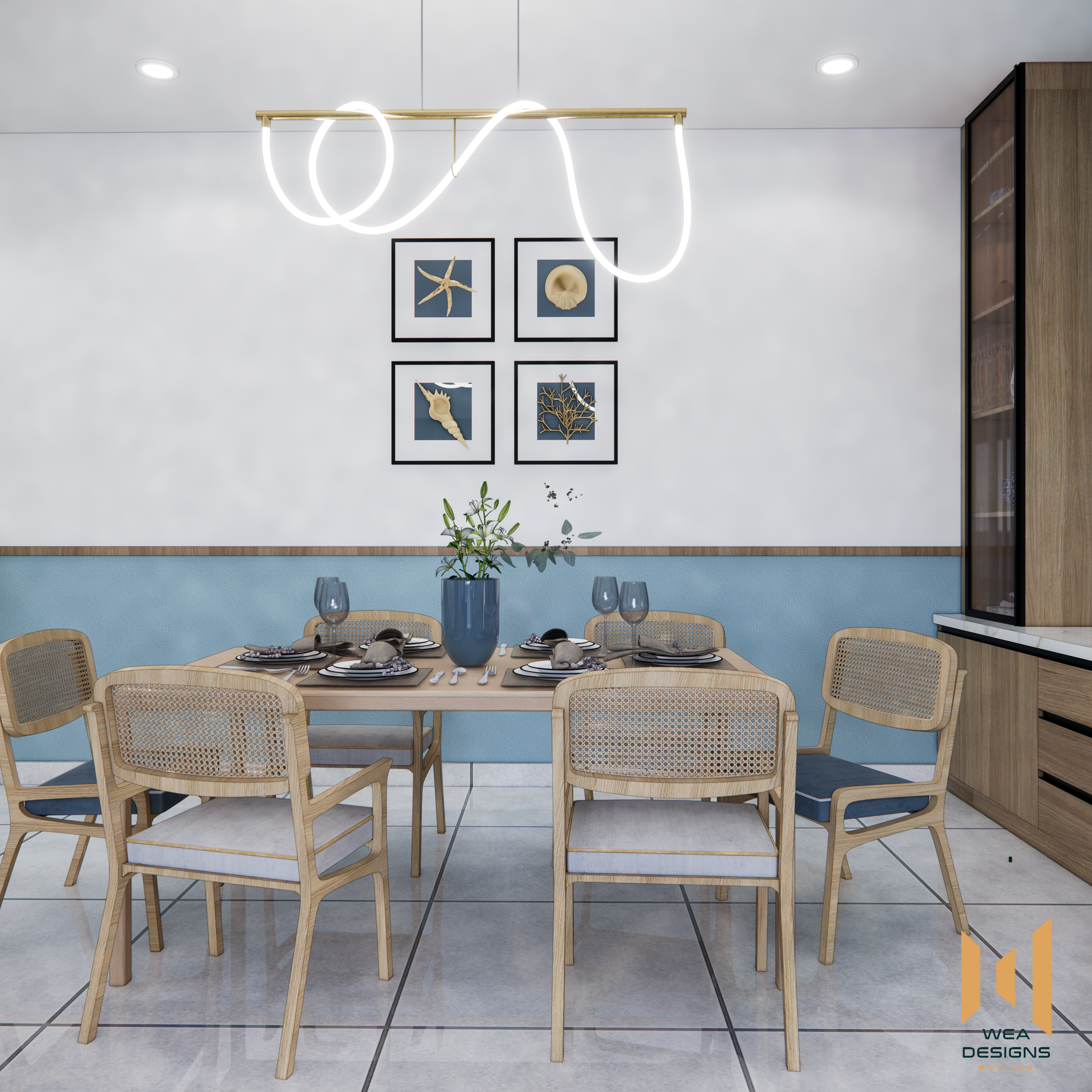
Cane furniture has been a staple in Indian homes for generations. It is lightweight, it breathes, and it does not trap body heat. A cane armchair in your living room or balcony will feel noticeably cooler than a leather or fabric sofa.
Where to use it: Accent chairs in the living room, balcony seating, dining chairs, headboard panels in the bedroom, and side tables. Cane India and several artisan cooperatives across Assam and West Bengal produce furniture that is both structurally sound and beautifully crafted.
What to know: Cane needs protection from prolonged rain exposure. If you are using it on a balcony, bring it in during monsoon or use a covered space. Indoors, it is remarkably durable. A well-maintained cane chair can last over a decade.
Budget range: A single cane accent chair typically costs between ₹4,000 and ₹15,000 depending on craftsmanship and size. A full four-seater cane sofa set ranges from ₹25,000 to ₹60,000.
2. Jute
Jute is one of India’s oldest natural fibers, and it is one of the most practical choices for summer interiors. It is breathable, biodegradable, and has a naturally rough texture that prevents the slippery, heat-retaining feel of synthetic rugs.
If you have wooden flooring or even vitrified tiles, laying a jute rug or a cotton-jute dhurrie over it softens the space without trapping heat. This is one of the easiest summer upgrades you can make.
Where to use it: Area rugs in the living room and bedroom, runners in hallways, baskets for storage, wall hangings, and even lampshade covers.
What to know: Jute is not ideal for moisture-heavy areas like bathrooms. It absorbs water and can develop odour if not dried properly. Keep it in dry, well-ventilated rooms. Spot clean rather than machine wash.
Budget range: A 4×6 jute rug costs between ₹1,500 and ₹5,000. Handwoven options from West Bengal or Assam can cost more but carry a distinct character that machine-made versions cannot match.
3. Bamboo:
Bamboo is one of the fastest-growing plants on earth, making it one of the most sustainable material choices available. But beyond sustainability, bamboo is genuinely excellent for summer interiors.
Bamboo blinds are one of the most effective ways to filter sunlight without blocking airflow. Unlike heavy curtains or synthetic blinds, bamboo slats allow air to pass through while reducing direct sun exposure.
Where to use it: Window blinds, room dividers, accent shelving, planters, trays, and small furniture pieces like side tables and stools.
What to know: Bamboo quality varies enormously. Untreated bamboo can attract borers and insects over time. Always buy treated and finished bamboo products, especially for structural items. For blinds, look for options with a clear lacquer or natural oil finish that protects against moisture without adding synthetic coatings.
Budget range: Bamboo blinds for a standard window (4×5 feet) cost between ₹800 and ₹3,000. A bamboo room divider ranges from ₹5,000 to ₹15,000.
4. Terracotta:
Terracotta, literally meaning “baked earth,” has been used in Indian architecture for thousands of years. From the terracotta temples of Bengal to everyday matka (clay water pots) across rural India, this material has always been valued for its natural cooling properties.
Terracotta is porous. It absorbs moisture and releases it slowly through evaporation, creating a mild cooling effect in its immediate surroundings. This is the same principle that makes a matka keep water cool without electricity.
Where to use it: Planters, decorative bowls and vases, wall art, floor tiles (in specific areas like verandas or pooja rooms), and accent pieces. Terracotta wall tiles are also gaining popularity as feature wall elements in living rooms and dining areas.
What to know: Terracotta is fragile compared to ceramic or stone. It stains easily if unsealed. For high-traffic areas, use sealed terracotta. For decorative pieces, unsealed terracotta is fine and actually performs its cooling function better because the pores remain open.
Budget range: Terracotta planters start at ₹150 for basic designs. Handcrafted terracotta wall panels or art pieces range from ₹2,000 to ₹10,000.
5. Cotton and Linen
This one seems obvious, but it is surprising how many Indian homes still use polyester curtains, synthetic cushion covers, and blended-fabric bedding during summer.
Cotton and linen are both plant-based, breathable, and moisture-wicking. They feel cool against skin, dry quickly, and do not trap heat the way polyester or velvet does.
In the bedroom, switching from polyester bedsheets to 100% cotton percale or linen can genuinely improve sleep quality on warm nights. In the living room, swapping synthetic cushion covers for cotton or khadi alternatives makes the seating feel lighter and more comfortable.
Where to use it: Bedsheets and pillowcases, curtains (especially sheers), cushion covers, table linen, sofa throws, and upholstery. If you are looking at summer colour palettes for Indian homes, natural cotton and linen fabrics come in the exact kind of soft, muted tones that work best in warm weather — off-whites, pale blues, sage greens, and warm beiges.
What to know: Linen wrinkles. If you want a crisp, wrinkle-free look, cotton percale or cotton sateen is a better choice. Linen works beautifully in relaxed, lived-in interiors where the texture adds character rather than looking unkempt. Khadi, India’s handspun and handwoven cotton, is another excellent option that combines summer functionality with cultural significance.
Budget range: A set of cotton percale bedsheets for a queen bed costs between ₹1,500 and ₹4,000. Linen curtains for a standard window start at ₹2,000 per panel.
Styling Different Spaces with Natural Materials
Living Room
The living room responds beautifully to natural textures. A cane accent chair, jute rug, or cotton cushions can instantly make the space feel lighter and more breathable. Add terracotta planters or a bamboo pendant light to soften the overall look.
Bedroom
Bedrooms should feel calm and airy during summer. Linen or cotton bedding, bamboo blinds, and light woven textures help create a cooler atmosphere without overwhelming the space.
Dining Area
Cane dining chairs paired with wood always create a timeless, relaxed setting. Simple additions like cotton runners or bamboo placemats bring warmth and texture without making the room feel heavy.
Balcony and Verandah
Natural materials feel most effortless in semi-open spaces. Cane seating, terracotta planters, bamboo blinds, and a jute mat can turn even a compact balcony into a comfortable summer corner.
What to Avoid When Using Natural Materials
One mistake we often see is using too many natural textures in one space. Cane, jute, bamboo, and rattan all have a strong presence. Using all of them together can make the room feel busy. It is better to pick two or three materials and keep the look balanced.
Natural materials also need a little more care than synthetic ones. Jute should stay away from moisture, cane furniture needs occasional cleaning, and bamboo products should be properly treated for long-term use.
Quality matters too. Cheap bamboo or poorly made cane furniture may not last through Indian weather conditions. Well-crafted pieces usually stay beautiful for years.
It is also important to use the right material in the right space. For example, jute does not work well in bathrooms, and untreated bamboo near sinks can get damaged over time.
Let WEA Designs Help You Get This Right
At WEA Designs, We help homeowners make smart material choices that work with the local climate, not against it. Whether you are planning a complete interior overhaul or a targeted summer refresh, our team of home interior designers in Bangalore can guide you through every decision
If your home feels heavier than it should this summer, the solution might be lighter than you think.
FAQ